
Simplicity is the
most complex thing to build
The goal of every system we build is to disappear — to carry the weight so quietly that the person using it never thinks about it.
Systems should reduce complexity, not create it.
The dominant failure mode in technology is the addition of complexity without a corresponding reduction in friction. Every tool added to a workflow adds integration burden. Every platform added to a stack requires maintenance. Every process that could be automated but isn't becomes a recurring tax on human attention.
The answer isn't fewer tools. It's better architecture. A well-designed system uses exactly as many tools as the problem requires — no more, no fewer — and connects them in a way that the complexity is hidden from the people it serves.
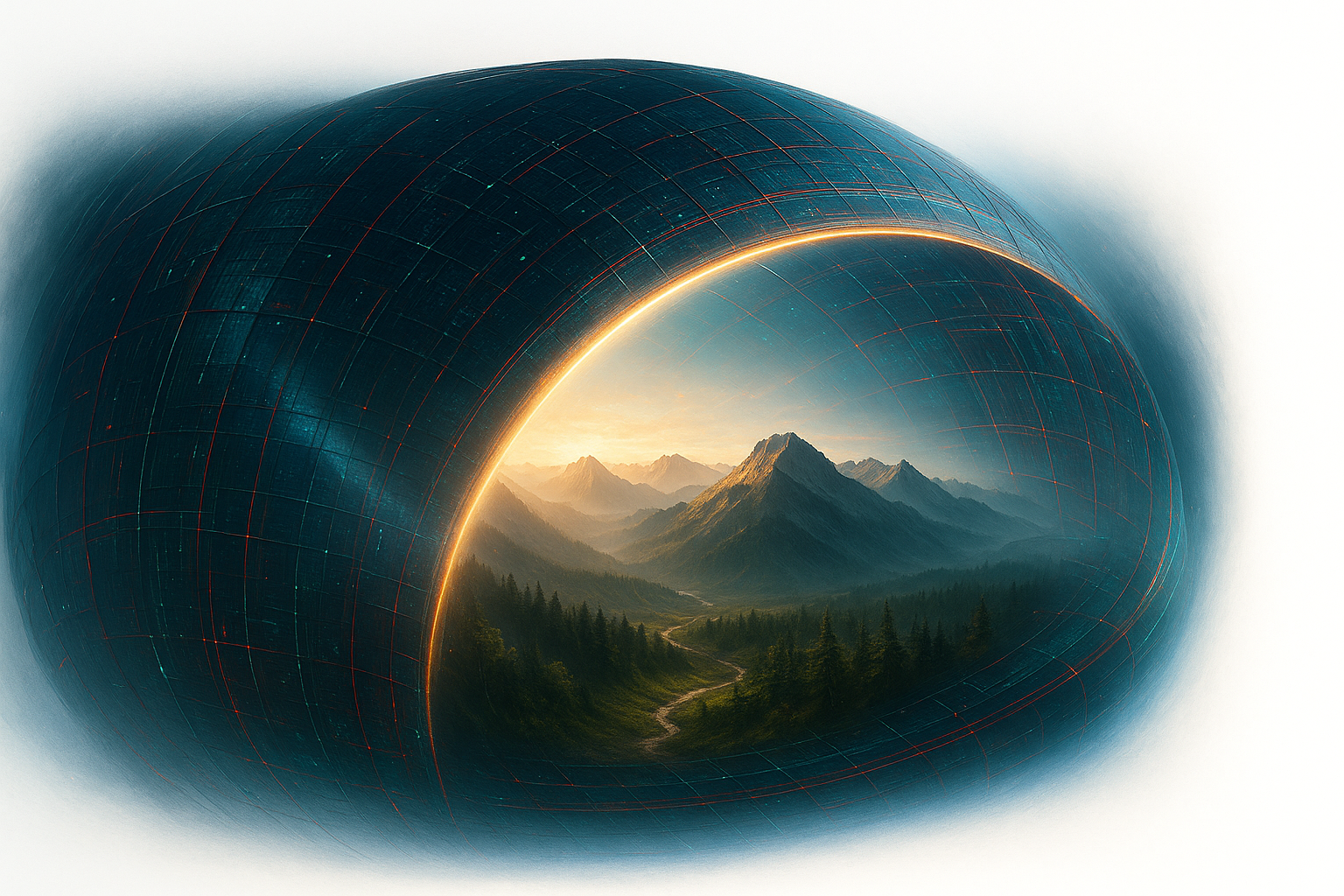
Technology should serve our humanity, not consume it. The wild within invites us to pause, to wonder — to let the silent engines of automation bear our burdens while we reclaim the forest, our dreams, and allow our hearts to return to the art of living. — The philosophy behind every system we build
The machine should carry what the machine can carry.
There is a specific kind of exhaustion that comes from doing work that a machine could do better. Not because the work is unimportant — but because the human doing it is not adding anything a well-designed system couldn't handle automatically.
Automation should be applied aggressively to the predictable — the repetitive, the rule-based, the data-driven. Not to eliminate people, but to return their attention to the work that actually requires a person.
Intelligence belongs in the design, not just the execution.
AI is most powerful when it is applied to a well-designed system — not dropped into a broken one. The machine is not a substitute for clear thinking. It is an amplifier of it.
Every system we build starts with the question: where does human judgment create the most value? Everything else becomes a candidate for automation. The result is a system where human intelligence is concentrated where it matters, and machine intelligence handles everything else.
Every system we build is a step toward balance.
When automation carries the burden of the predictable, something opens up. The person who was spending three hours on manual data entry can spend those three hours on something that requires their actual presence — judgment, creativity, relationship, craft.
That is the real promise of well-designed systems. Not efficiency for its own sake. Not technology for its own sake. But the reclamation of human time, attention, and energy for the things that make a life worth living.
The wild within is not a metaphor. It is the destination that good systems architecture points toward.